


- 1.4k Views
- 14 Min Read
- (0) Comment
Vietnam is a must-see location in Southeast Asia because of its dynamic cities, stunning scenery, and rich cultural legacy. But because of the country’s varied topography, each region experiences a very different climate. It is crucial to schedule your vacation around the ideal times to see every aspect of Vietnam if you want to get the most out of it. This article will examine the best times to visit various parts of Vietnam, giving thorough justifications based on the country’s climate, cultural events, and tourism attractions.
Northern Vietnam: A Journey Through Seasons
From the busy streets of Hanoi to the tranquil landscapes of Sapa and the mysterious waters of Halong Bay, travelers may enjoy a wide variety of experiences in Northern Vietnam, a country rich in natural beauty and cultural legacy. Northern Vietnam has four distinct seasons: spring, summer, autumn, and winter. This is because of its geographical location and range of altitudes. It’s important to visit this area at the correct time to completely enjoy everything it has to offer. With a thorough examination of the activities, weather, and cultural significance of the spring (March to April) and fall (September to November) seasons, this essay will explain why these times are the greatest for visiting Northern Vietnam.
Spring (March to April): Spring in northern Vietnam is characterized by mild temperatures, ranging from 15°C to 25°C (59°F to 77°F). The weather is perfect for outdoor activities during this season because it’s not too hot or chilly. For instance, hiking in Sapa in the springtime offers the opportunity to take in the blooming flowers and verdant rice terraces. Hanoi’s parks and streets are also decked out with blossoming trees, which makes for a lovely atmosphere when touring the city’s ancient landmarks. This is also the period of the Perfume Pagoda Festival, which offers a distinct cultural experience and is one of the biggest Buddhist pilgrimages in Vietnam.
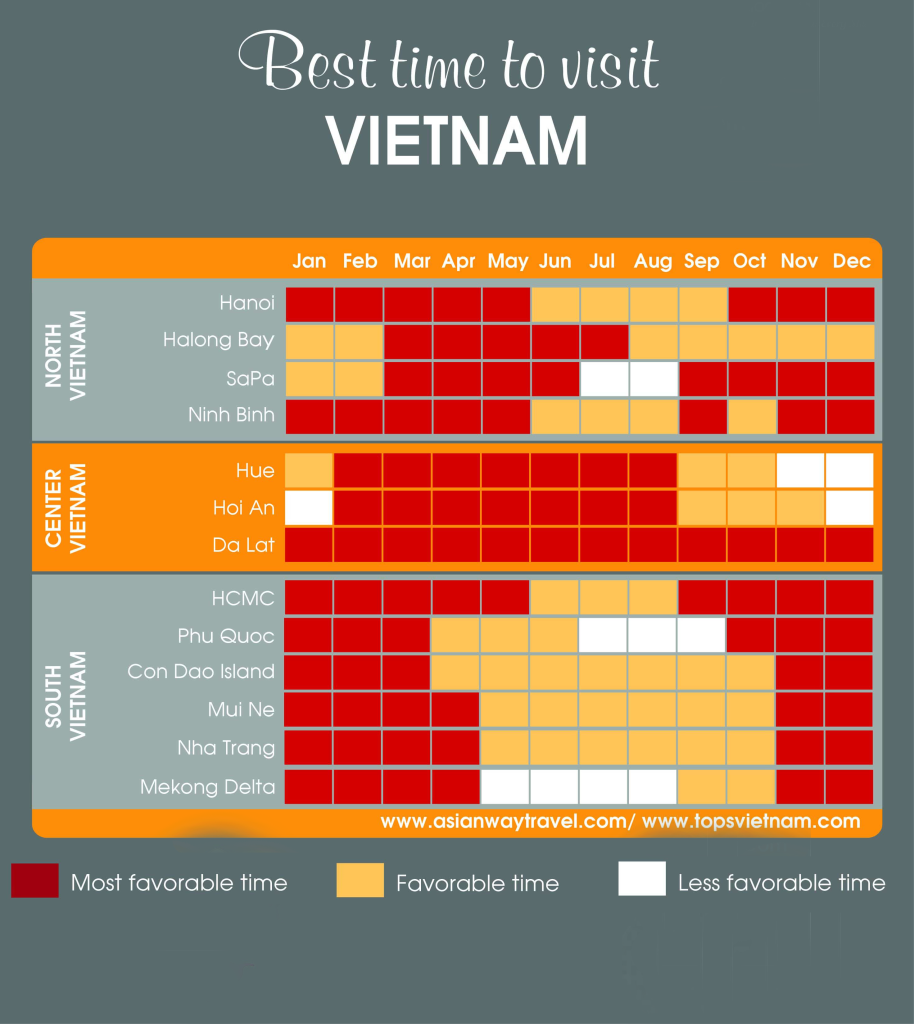
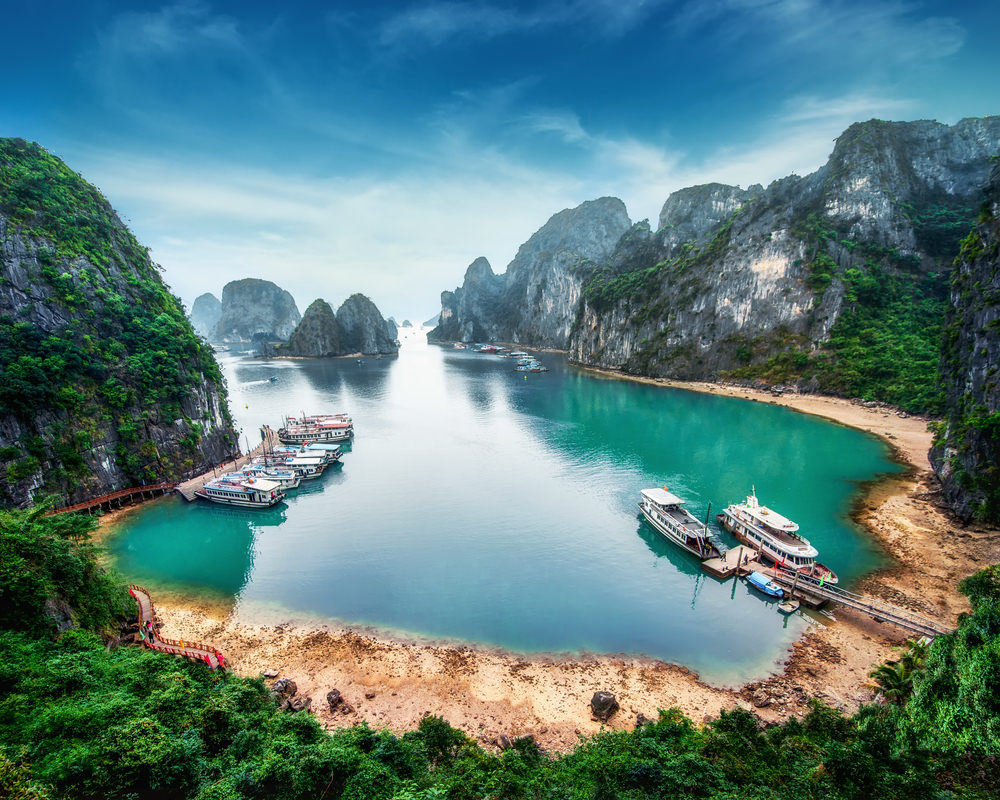
Autumn (September to November): Autumn is another excellent time to visit northern Vietnam, with temperatures ranging from 20°C to 28°C (68°F to 82°F). Clear skies and mild, crisp air make it ideal for outdoor exploration of places like Halong Bay, where you can take a picturesque boat ride across the bay’s emerald waters and towering limestone karsts. An additional cultural highlight of your trip is the Mid-Autumn Festival, which is celebrated in Hanoi with lanterns and mooncakes. In Sapa, autumn signifies the harvest season, resulting in golden acres of rice terraces that provide stunning vistas and fantastic photo ops.
Cultural Festivals and Celebrations
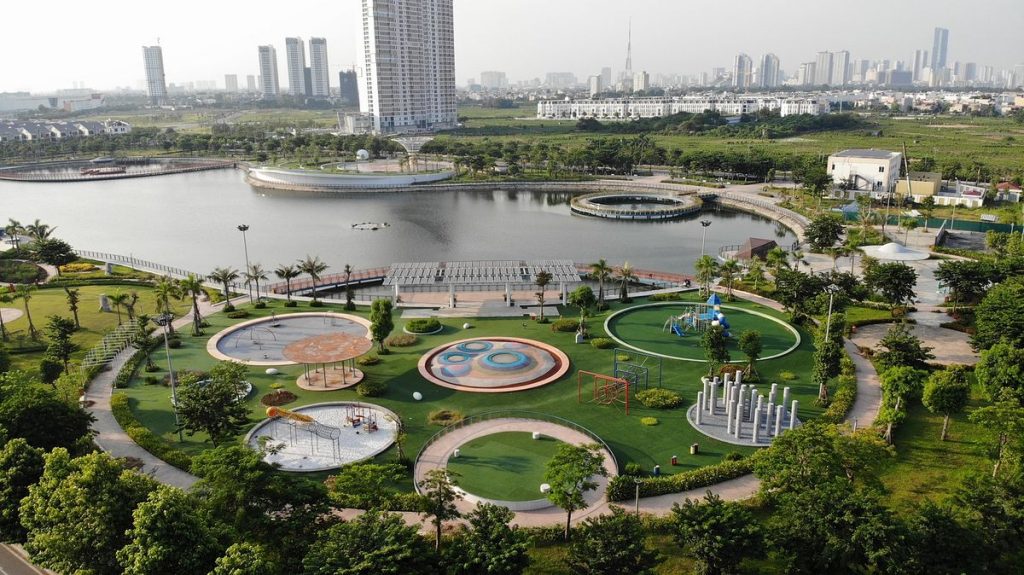
In Vietnam, spring is a season of great cultural significance, celebrated with a variety of festivals. The biggest is the Perfume Pagoda Festival, which takes place every year from February to April and is one of the biggest Buddhist pilgrimages in the nation. Thousands of pilgrims and visitors travel to the Perfume Pagoda, which is situated in a gorgeous mountain range close to Hanoi, during this event. The trip to the pagoda is a picturesque and spiritual experience that begins with a boat ride down the Yen River and ends with a hike through verdant scenery. Additionally, with trees in full bloom and a celebratory vibe in the air, Hanoi’s parks and lakes, like Hoan Kiem Lake, are especially lovely in the spring.

Scenic Beauty and Outdoor Activities
Springtime in Northern Vietnam is when its natural beauty is most striking. With tranquil waters and blue skies, Halong Bay, a UNESCO World Heritage site, is especially charming at this time of year. The greatest way to explore the bay’s famous limestone karsts and green seas is by boat, and the pleasant weather is perfect for swimming, cruising, and kayaking. The rice terraces of Sapa are starting to turn green, offering a stunning scene for hiking and photography. Another great place to visit in the spring is Mai Chau, which is well-known for its colorful green valleys and traditional stilt houses. Mai Chau also offers great cycling and cultural interaction possibilities.
Golden Rice Harvest in Sapa
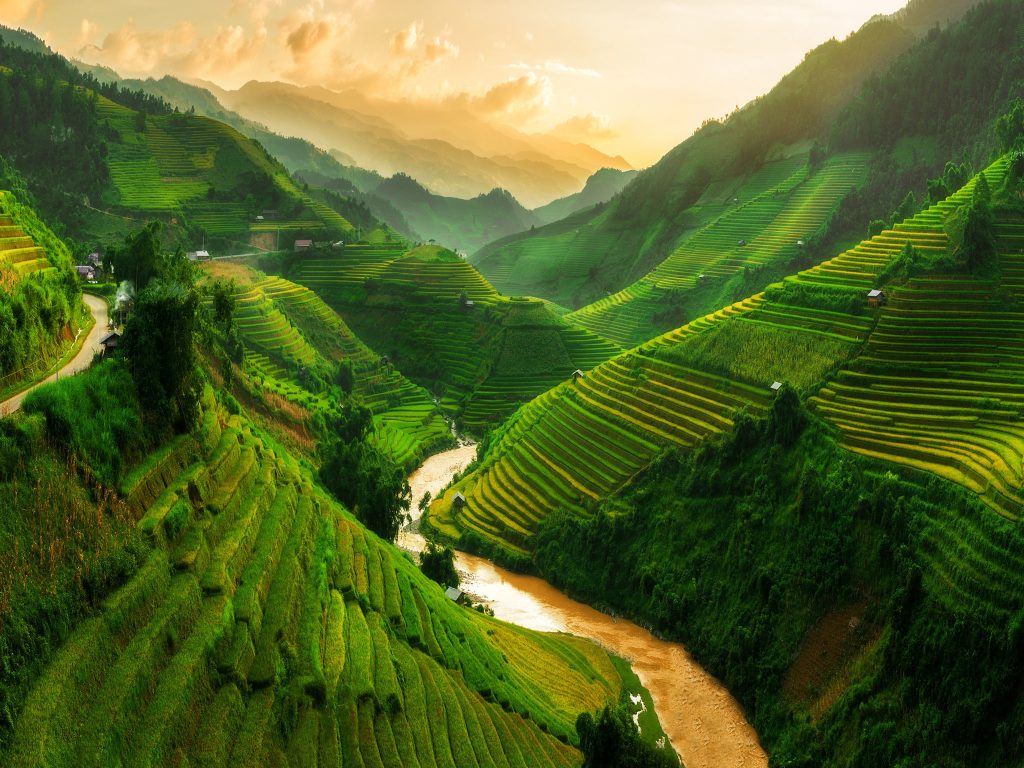
Seeing Sapa’s golden rice harvest is one of the most compelling reasons to travel to Northern Vietnam in the fall. The rice terraces, which are painstakingly carved into the hillsides, transform into one of Vietnam’s most famous sceneries during this season, becoming a dazzling golden color. This time of year, which is usually late September to early October, is great for hiking, photography, and just taking in the amazing scenery. The local ethnic communities celebrate the harvest season with traditional dances, music, and festivals, providing guests with a distinctive cultural experience.

Mid-Autumn Festival
The Mid-Autumn Festival, or Tết Trung Thu, is another event that marks autumn in Vietnam. It typically occurs in late September or early October. Mooncake feasts, lantern parades, and family get-togethers are all part of this celebration. Hanoi exudes a festive atmosphere as children engage in lion dances and the streets are bedecked with vibrant lanterns. Deeply ingrained in Vietnamese culture, the Mid-Autumn Festival offers visitors a singular chance to immerse themselves in the traditions and rituals of the area while also signifying unification and the harvest season.
Why Avoid Summer and Winter: Summer (May to August) is a pleasant time of year for beach lovers visiting coastal locations surrounding Halong Bay, despite the fact that it can be hot and muggy, frequently reaching 30°C (86°F) in temperature. On the other hand, regular downpours and extreme humidity might reduce the enjoyment of outdoor activities. In contrast, winter (December to February) offers colder weather, especially in Sapa’s hilly regions where lows of 0°C (32°F) are common. Winter is less crowded, but exploring outside can be restricted by the chilly temperatures and sporadic drizzle.
2. When to travel to central Vietnam
There are two primary seasons in Central Vietnam’s tropical climate: the dry season and the rainy season. Normally, the rainy season lasts from September to January, while the dry season lasts from February to August. The hot season (June to August) and the cooler months (February to May) can be further subdivided into the weather within these general categories, each providing unique experiences for tourists.
Dry Season (February to May): The dry season in central Vietnam offers warm temperatures, averaging between 25°C and 30°C (77°F to 86°F), making it perfect for exploring both cultural sites and beaches. Hoi An, a UNESCO World Heritage site, is especially lovely at this time of year with its vibrant lanterns, busy markets, and remarkably preserved ancient town. Every month on the full moon, the town’s streets are illuminated with hundreds of lanterns, creating a mystical ambiance, for the Hoi An Lantern Festival, which is a must-see event. The beaches of Da Nang, including My Khe and Non Nuoc, are also at their best, with calm seas and beautiful skies perfect for swimming, tanning, and water sports.
Wet Season (September to November): The rainy season in Central Vietnam, which lasts mostly from September to November, is characterized by heavy rainfall, sporadic typhoons, and temperatures between 24°C and 28°C (75°F and 82°F). Although rain can cause travel arrangements to be disrupted, it also adds a certain charm to the area. In the misty rain, the ancient city of Hue, with its imperial fortress and ancient temples, seems more mysterious. Travelers should, however, prepare for the possibility of floods and be aware of it.
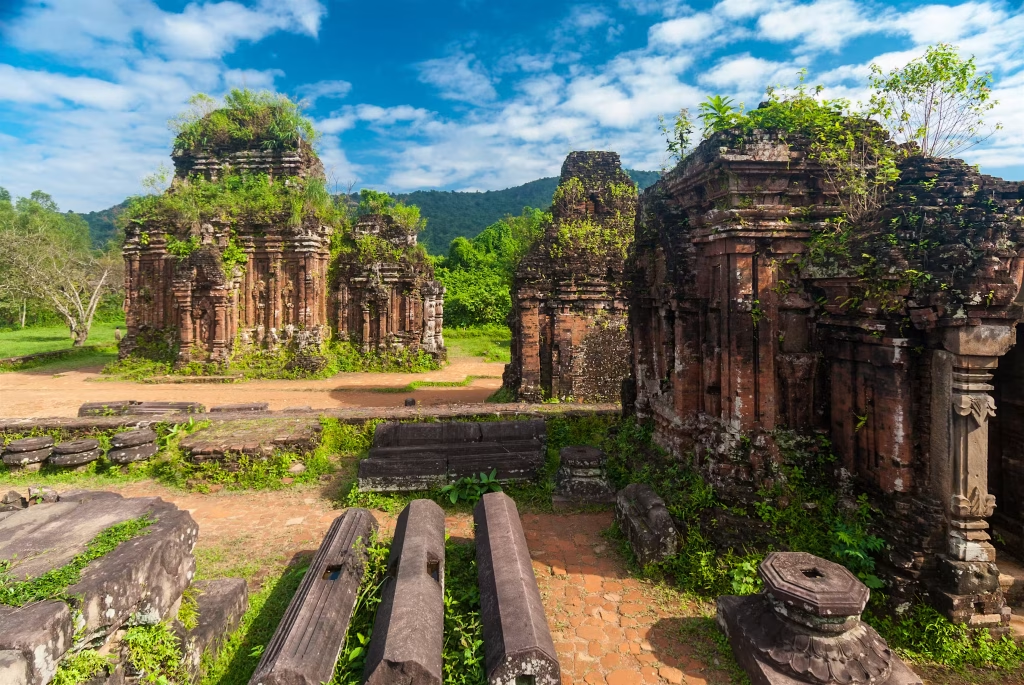
Hot Season (June to August): With temperatures reaching 35°C (95°F) or more during the hot season, which runs from June to August, it’s a great time to visit beaches. Beachgoers and locals alike are enjoying the surf and sun on Da Nang’s bustling beaches. The best times to explore the ancient remains of My Son, another UNESCO World Heritage site close to Hoi An, are early in the morning or late in the afternoon to escape the hottest parts of the day, for history buffs.
Exploring Cultural and Historical Sites
Some of the most significant historical and cultural sites in the nation may be found in Central Vietnam; it is better to visit these sites during the dry season. The historic capital of Vietnam, the Imperial City of Hue, is a treasure trove of palaces, temples, and tombs and is recognized as a UNESCO World Heritage site. February through May are the best months to explore this expansive complex because the weather isn’t too hot or too wet. This is also the most gorgeous time of year for the Perfume River, which flows through Hue and offers a calm backdrop to the historical sites of the city.
Festivals and Cultural Events
Early in the year, festivals and other cultural events bring life to Central Vietnam and give every visit a more lively feel. Travelers can get a unique insight into the customs and daily life of the region during the major Vietnamese holidays and local festivities that take place between February and May.
Tet Nguyen Dan, or the Lunar New Year, is one of the most significant celebrations. It typically takes place in late January or early February. Although Tet is observed around the country, the celebrations in Central Vietnam are especially vibrant and feature a variety of events, such as street markets, traditional music concerts, and lion dances. Travelers can enjoy the rituals and culinary traditions of the Vietnamese people, along with their great welcome, by visiting during Tet.
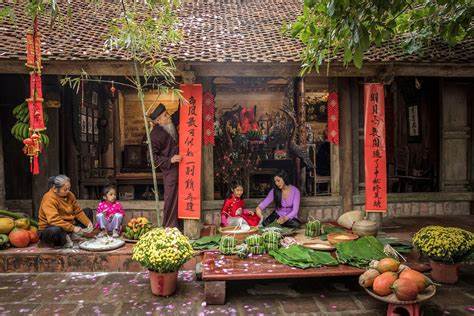
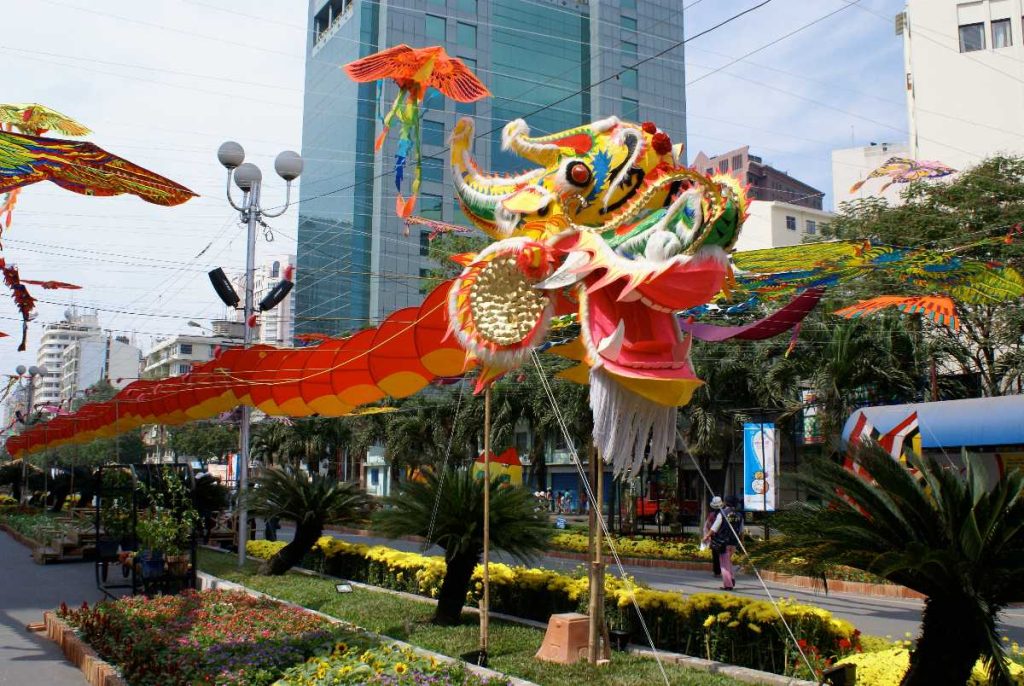
The yearly Hue Festival, a week-long celebration of the city’s cultural legacy, takes place in April in Hue. Along with street parades, boat races, and art exhibits, the festival offers traditional music, dance, and theater performances. With the entire city turning into a bustling stage for artists and performers, it’s a once-in-a-lifetime chance to fully immerse yourself in Hue’s rich history and culture.
The Beauty of Nature: Beaches and National Parks
The greatest time to explore Central Vietnam’s coastal areas is between February and May, when they are at their most picturesque. These months are perfect for swimming, surfing, and sunbathing on Da Nang’s beaches, such as My Khe and Non Nuoc. It’s also ideal to visit the adjacent Marble Mountains, a collection of limestone hills with Buddhist shrines, caverns, and tunnels during the cooler, drier months.
Beautiful sand and crystal-clear waves may be seen on the beaches of Quy Nhon and Nha Trang, which are located further south. Specifically, Quy Nhon is a less visited location that offers a more tranquil beach experience. Some of the largest caverns in the world, including the well-known Son Doong Cave, may be found in Central Vietnam’s Phong Nha-Ke Bang National Park, another UNESCO World Heritage site. The park’s trails and caves are more accessible during the dry season, making it the ideal time to explore these natural treasures.
- When To Visit Southern Vietnam
There are two different seasons in the tropical climate of southern Vietnam: the dry season and the rainy season. December to April is the dry season, and May to November is the rainy season. Travel plans and activities may be impacted by the advantages and disadvantages that each season has to offer.
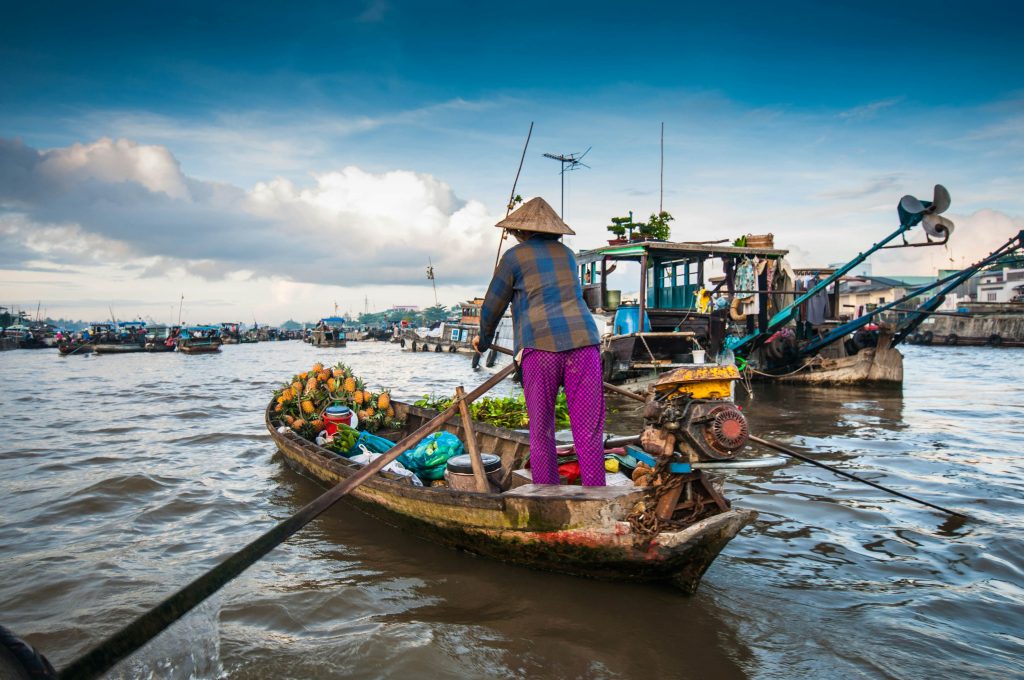
Dry Season (December to April): In southern Vietnam, the dry season brings sunny days, low humidity, and temperatures between 25°C and 35°C (77°F and 95°F). This is the ideal time to see the War Remnants Museum, the Notre-Dame Cathedral Basilica, and the bustling Ben Thanh Market in Ho Chi Minh City, among other famous sites. Together with rooftop bars and night markets, the city has a vibrant nightlife. It is ideal to visit the Mekong Delta, also referred to as Vietnam’s “rice bowl,” during this time of year when the rivers are quiet, and the floating marketplaces are brimming with activity. Fresh tropical fruits, quaint communities, and boat tours through the maze-like canals of the delta are available to tourists.
Rainy Season (May to November): In southern Vietnam, the rainy season, which lasts from May to November, is marked by regular afternoon showers and mild temperatures between 25°C and 32°C (77°F and 90°F). This season has its own pleasures despite the rain. Because the showers are usually brief, there’s plenty of time for exploring. Even during the rainy season, people flock to Phu Quoc Island, which is well-known for its breathtaking beaches and coral reefs. The rains invigorate the island’s lush woods and waterfalls. The colorful marine life and warm water of the Con Dao Islands, a group of 16 islands renowned for their natural beauty and historical significance, make this the perfect time of year for diving and snorkeling.
Cool Season (November to January): Although there isn’t much of a temperature dip in southern Vietnam, November through January are thought to be the coolest months, with average highs of 22°C to 28°C (72°F to 82°F). This time of year, is great for outdoor pursuits, like hiking in the biodiverse Cat Tien National Park, which is home to endangered animals like the Siamese crocodile and the Indochinese tiger. The Cu Chi Tunnels, a vast network of subterranean passageways utilized by the Viet Cong during the Vietnam War that provide an amazing window into the nation’s past, are also a fantastic place to visit during the cooler months.
Exploring the Mekong Delta
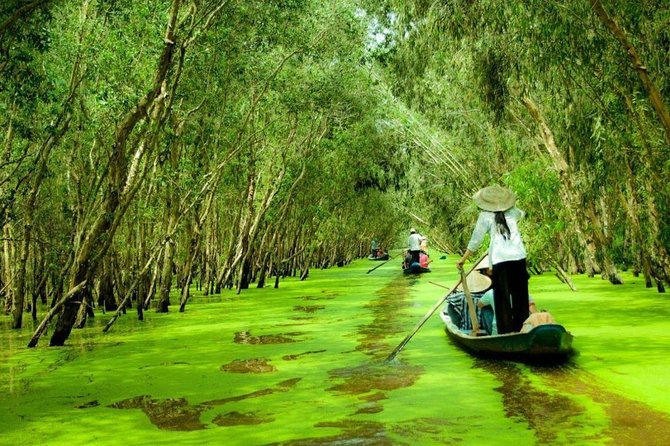
One of the most recognizable areas of Southern Vietnam is the Mekong Delta, sometimes known as the “Rice Bowl” of Vietnam. It is a huge system of rivers, marshes, and islands that is well-known for its rice paddies, floating marketplaces, and distinctive ecosystems. The Mekong Delta is best explored during the dry season, which runs from December to April. The weather is more dependable and the canals are easier to navigate.
The delta is luxuriant and verdant during this time of year, with a plethora of fruits, vegetables, and blooming flowers. The floating markets, such as Cai Rang and Cai Be, where residents exchange items straight from their boats, may be explored by tourists on boat tours. It is also simpler to explore the area’s villages, pagodas, and wildlife sanctuaries on foot or by bicycle because of the milder, drier weather. Furthermore, more of the delta’s complex waterways and hidden channels are visible during the dry season due to the reduced water levels, providing a closer look at the daily activities of the people who live in this unusual area.
Beach Destinations and Island Retreats
The dry season is the ideal time to visit some of the most stunning beaches and islands in southern Vietnam. Known for its white sand beaches, pristine waterways, and abundant marine life, Phu Quoc Island is a tropical paradise off the southwest coast of Vietnam. December through April are the best months to visit Phu Quoc because of the sunny days, calm waters, and little rainfall during this time of year. Scuba diving, snorkeling, and touring the island’s national parks and fishing villages are just a few of the many activities available to visitors.
Similarly, during the dry season, Nha Trang, a coastal city, is a well-liked resort due to its extensive lengths of sandy beaches and crystal-clear waters. While Nha Trang’s lively nightlife and dining scene provide plenty of entertainment options after dark, the city’s beaches are ideal for swimming, tanning, and water sports. For those seeking a more private experience and to avoid the crowds, the adjacent islands of Con Dao and Binh Ba also have immaculate beaches and coral reefs.
Cultural Festivals and Events
There are several cultural traditions in southern Vietnam, many of which are commemorated through festivals and other activities held throughout the dry season. Tet Nguyen Dan, or the Lunar New Year, is one of the most significant celebrations in the area. It typically takes place in late January or early February. Family get-togethers, feasts, and customs abound around Tet, and Southern Vietnam is especially joyous during this time of year. Particularly in Ho Chi Minh City, the streets are adorned with festive lights, flower markets, and open-air festivities that provide tourists with a distinctive perspective of Vietnamese customs and culture.
Conclusion
The best time to visit Vietnam will depend on the areas you want to see and the things you want to do. The best times to visit Northern Vietnam are in the spring and fall, when there are plenty of natural and cultural sights to see together with nice weather. The mild, dry weather in Central Vietnam is perfect for seeing historical monuments and unwinding on stunning beaches from February to May. The greatest time to visit southern Vietnam is during the dry season, which runs from December to April and offers sunshine, outdoor pursuits, and island escapades. You can make travel plans that suit your interests and ensure a memorable and fulfilling experience in this fascinating and diverse country by being aware of the climate and temperature changes across the country.
If you are Planning to visit Vietnam at budget pricing, then please contact us for more details about the itinerary.


Leave a comment:
You must be logged in to post a comment.